
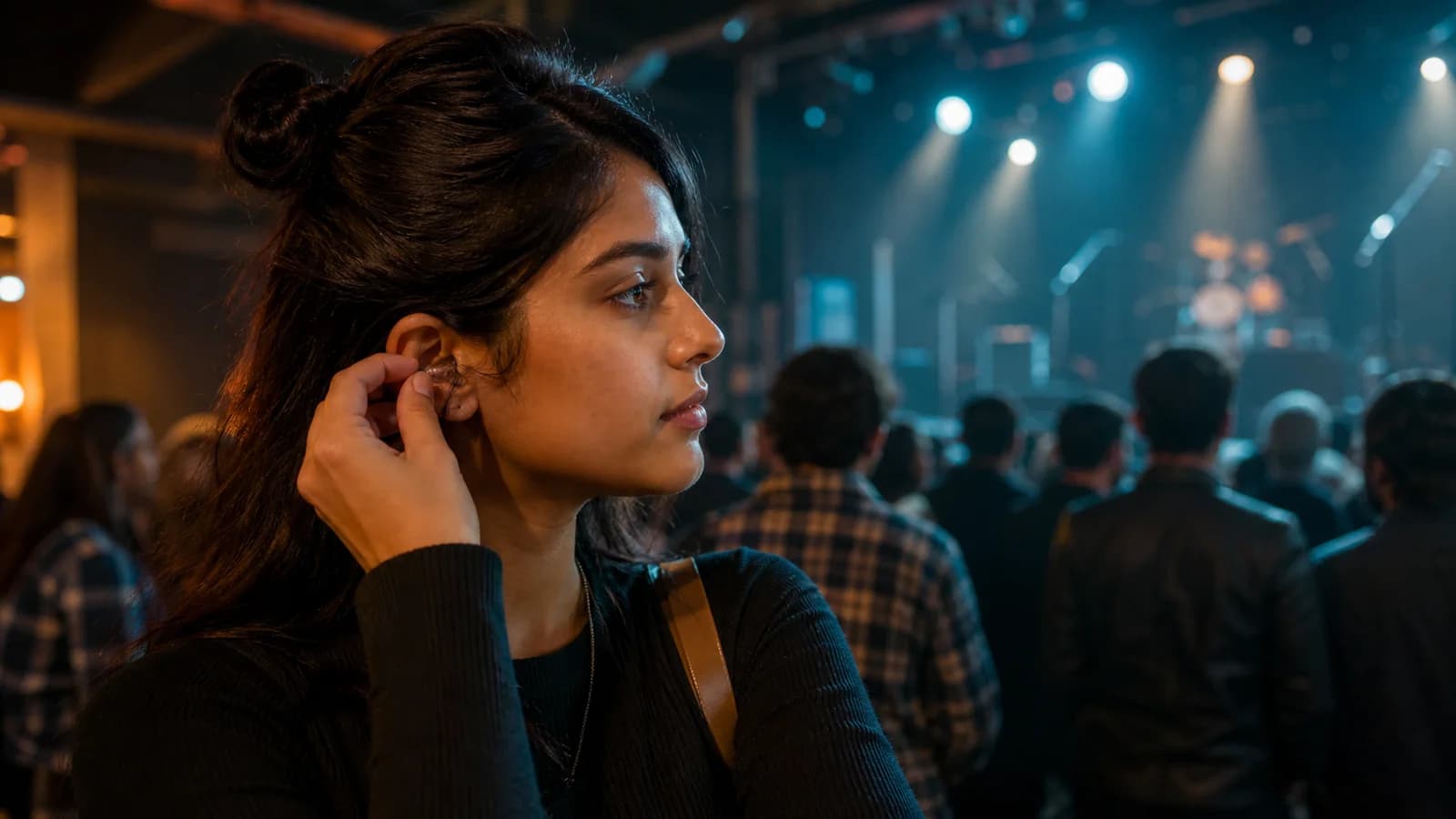
How to Protect Your Hearing From Noise
Noise-induced hearing loss is preventable, but risk depends on both sound level and exposure time. Concerts, headphones, machinery, traffic, and power tools can all contribute when listening is too loud for too long.
Written by: Audiosen Editorial Team
Clinical review status: No named clinical review is claimed until reviewer credentials and publication consent are verified.
Reduce level, duration, or both
- Move farther from loudspeakers and machinery where possible.
- Lower personal-device volume and avoid compensating for noisy surroundings.
- Take quiet breaks during long events or work periods.
- Use suitable hearing protection for the activity and fit it correctly.
Choose protection for the situation
Foam plugs, reusable plugs, earmuffs, and level-dependent protection serve different needs. Workplace protection should follow the employer's safety program. Musicians and frequent event-goers may prefer protection designed to reduce volume while preserving sound balance.
Watch for warning signs
- Ringing or buzzing after noise exposure.
- Muffled hearing or a blocked sensation that persists.
- Difficulty understanding speech after a loud event.
- Pain, sudden hearing change, or dizziness requiring prompt assessment.
Make safe listening a routine
Keep hearing protection with the equipment or bag you use for noisy activities. Use device volume warnings as prompts, and give children appropriately fitted protection without assuming that any plug or muff fits every ear.